
PRP in Palm Beach Gardens, FL
PRP is used for the facial rejuvenation, to treat orthopedic conditions and hair restoration! Listen to our very own Jennifer Castro discuss the many benefits of PRP with eHealth Radio Network:
Orthopedics Indications
Medial Epicondylitis, or Golfer’s elbow, is a condition that causes pain on the inner side of your elbow, where the tendons of your forearm muscles attach to the bony bump on the inside (medial) part of your elbow. The pain may spread into your forearm and wrist. Golfer’s elbow is similar to tennis elbow, but it occurs on the inside, rather than the outside of your elbow. It’s not limited to golfers, tennis players and others who repeatedly use their wrists or clench their fingers also can develop golfer’s elbow.
Lateral Epicondylitis, commonly known as tennis elbow, is a painful condition involving the tendons that attach to the bone on the outside (lateral) part of the elbow. Treatment of patients with chronic Lateral and Medial Epicondylitis with PRP reduced pain and significantly increases function, exceeding the effect of corticosteriod injection even after a follow-up of 2 years.
Patellar and Achilles Tendinopathies are essentially “overuse” degenerative conditions similar to tennis and golfer’s elbow. It includes pain, swelling, and limitation of function common to many overuse syndromes. PRP injections in Patellar and Achilles Tendinopathies results in significant and lasting improvement of clinical symptoms and leads to recovery of the tendon matrix potentially helping to prevent degenerative lesions. Plantar Fasciitis is scarring and inflammation of the thick tissue on the bottom of the foot causing heel pain. The Plantar Fascia connects the heel bone to the toes and creates the arch of the foot. PRP is significantly more effective and durable than cortisone injections for chronic Plantar Fasciitis refractory to non-operative management.
Platelet Rich Plasma for Facial Rejuvenation
Injecting PRP superficially and in the deep dermis, applications can result in skin rejuvenation and global facial volume. Compared with other skin rejuvenation therapies, PRP has been demonstrated to be a useful or adjunctive therapy.
Aesthetic Indications:
- Fine wrinkles around the eyes
- Dark circles around the eyes
- Volume loss
- Wrinkles on the forehead
- Wrinkles on the neck
- Wrinkles on the lips
- Pregnancy stretch marks
- Nasolabial grooves
- Acne marks
Skin Needling and Platelet Rich Plasma
The efficacy of skin needling in acne scarring treatment suggests that the combined use of skin needling and PRP is more effective in improving acne scars than skin needling alone.
Hair Restoration
Platelet Rich Plasma is found to significantly increase hair regrowth and decrease hair dystrophy and burning/itching sensation.
PRP for hair loss uses one’s own blood (platelets) to regenerate hair growth. Introducing PRP in the scalp stimulates dormant hair follicles that have been shown to generate new hair growth and thicken existing hair. This activation is caused by the highly concentrated growth factors that are present in PRP.
Before & Afters
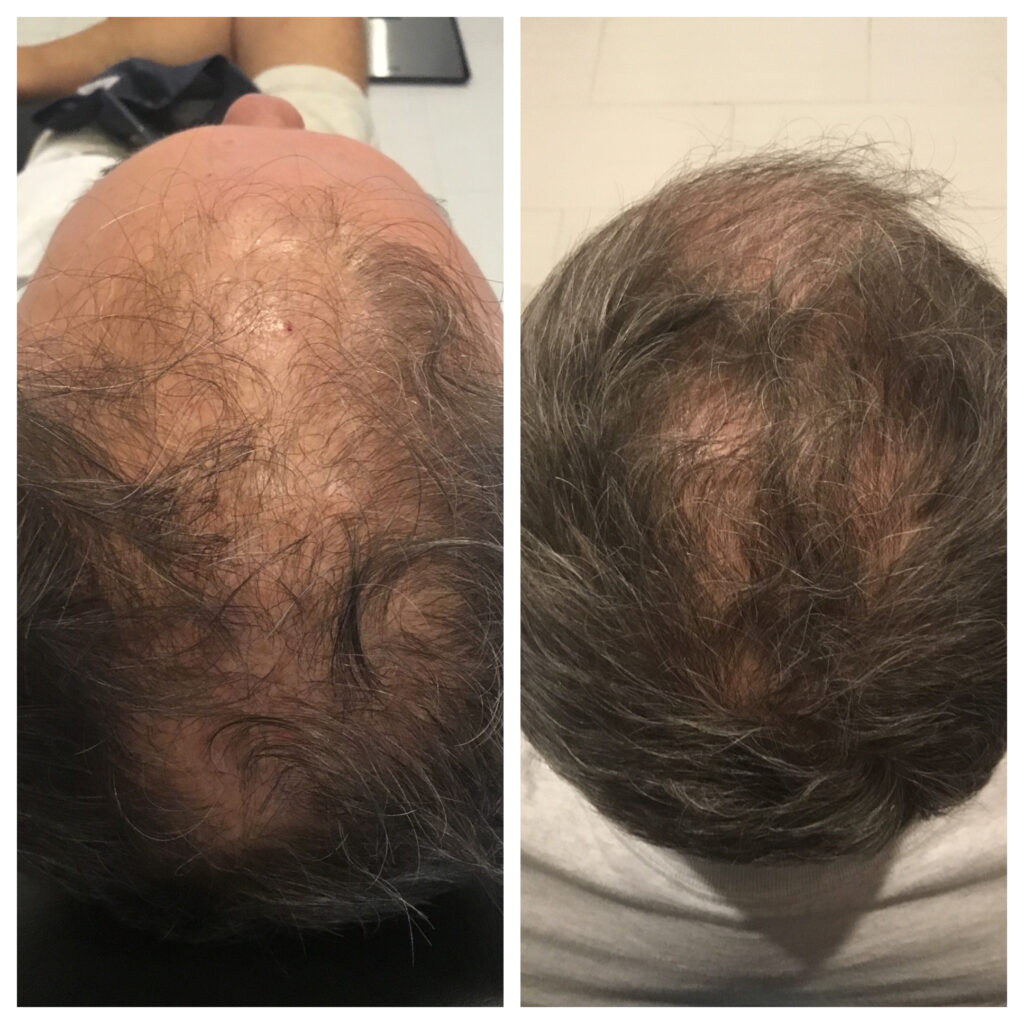
PRP Before & After for Hair Loss
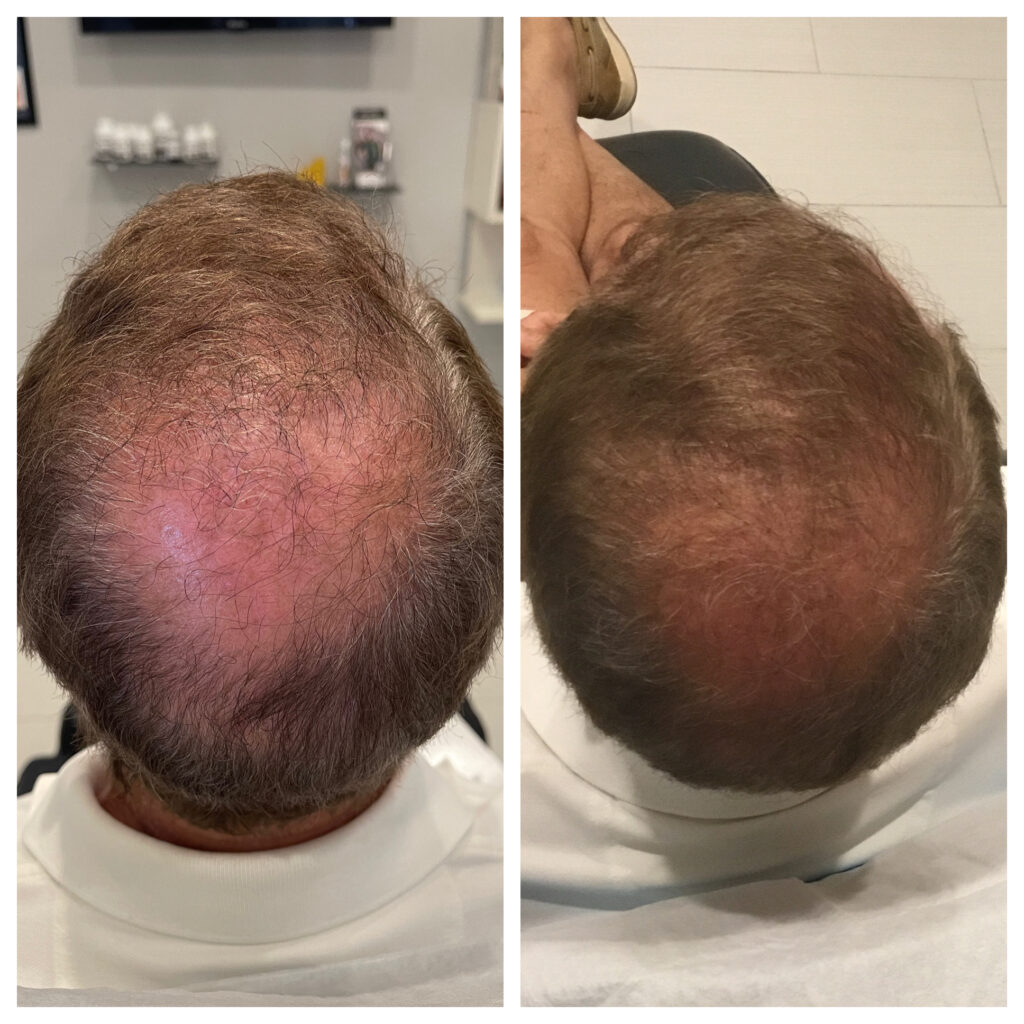
PRP for Hair Loss Before & After
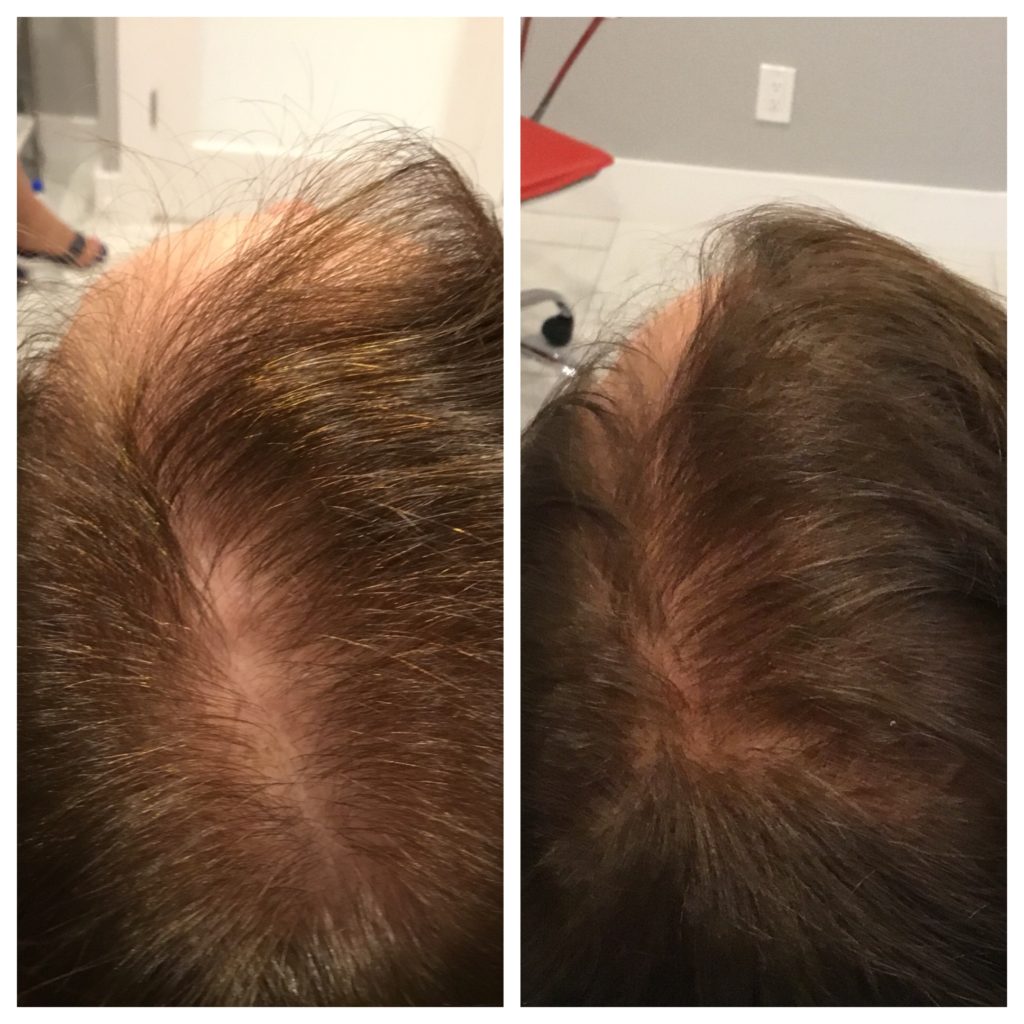
PRP for Hair Loss Before & After
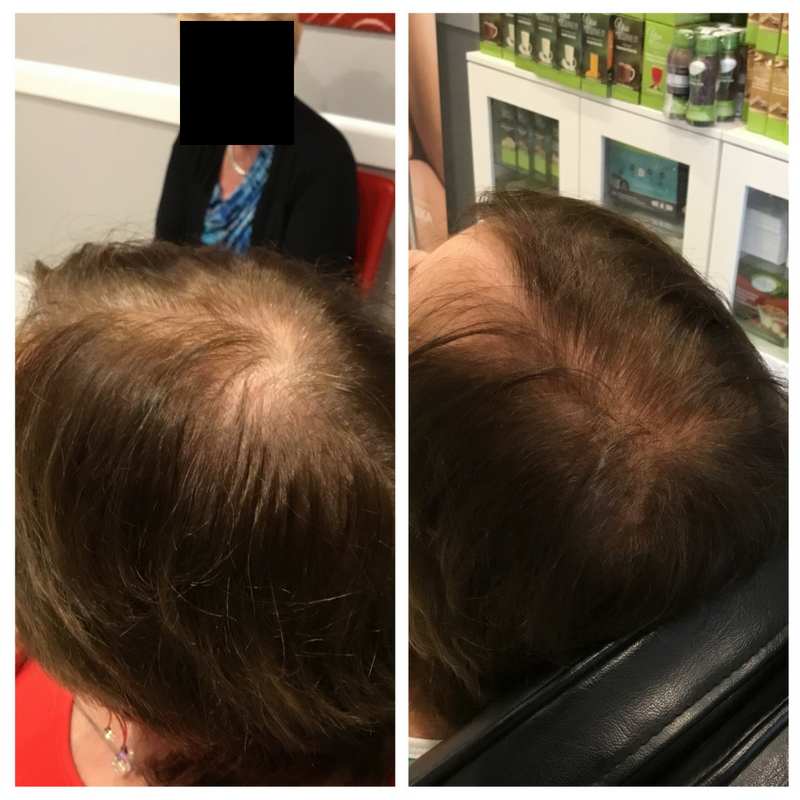
PRP for Hair Loss Before & After
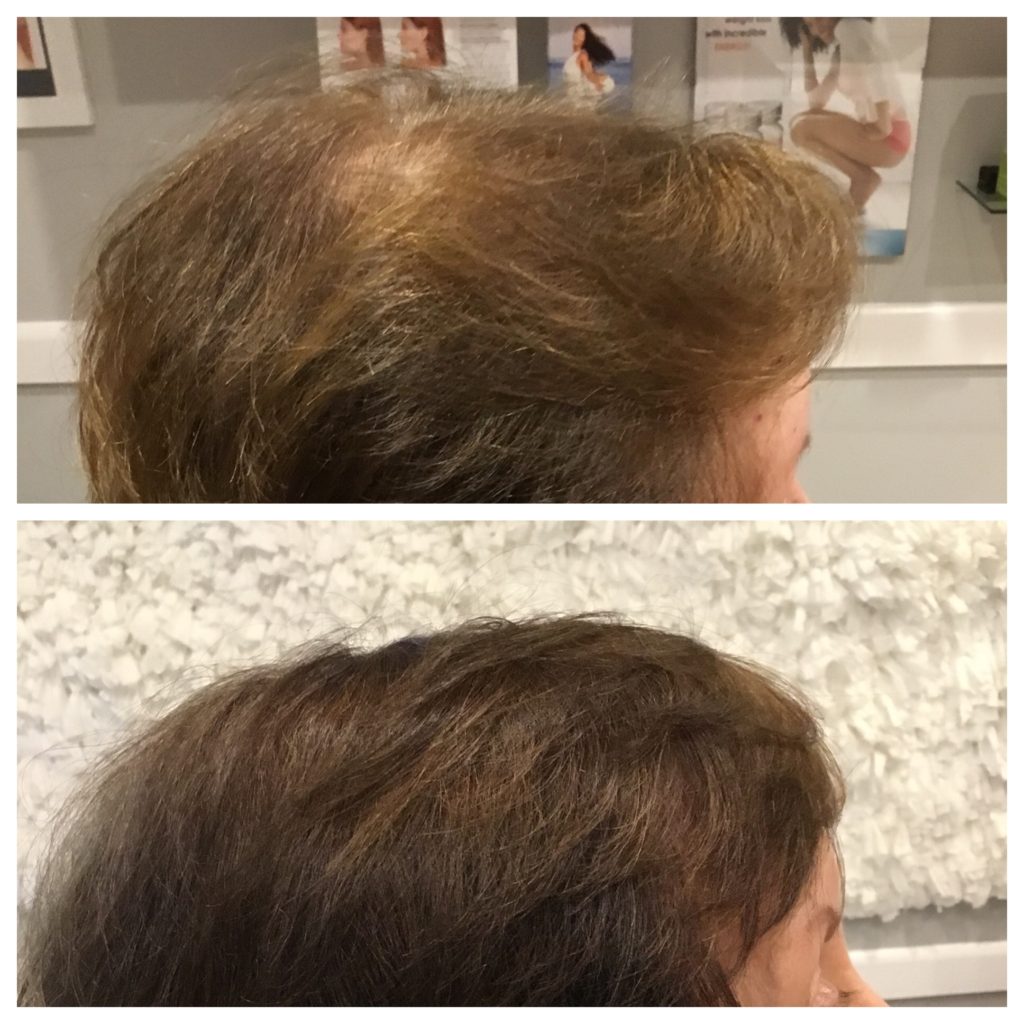
PRP for Hair Loss Before & After
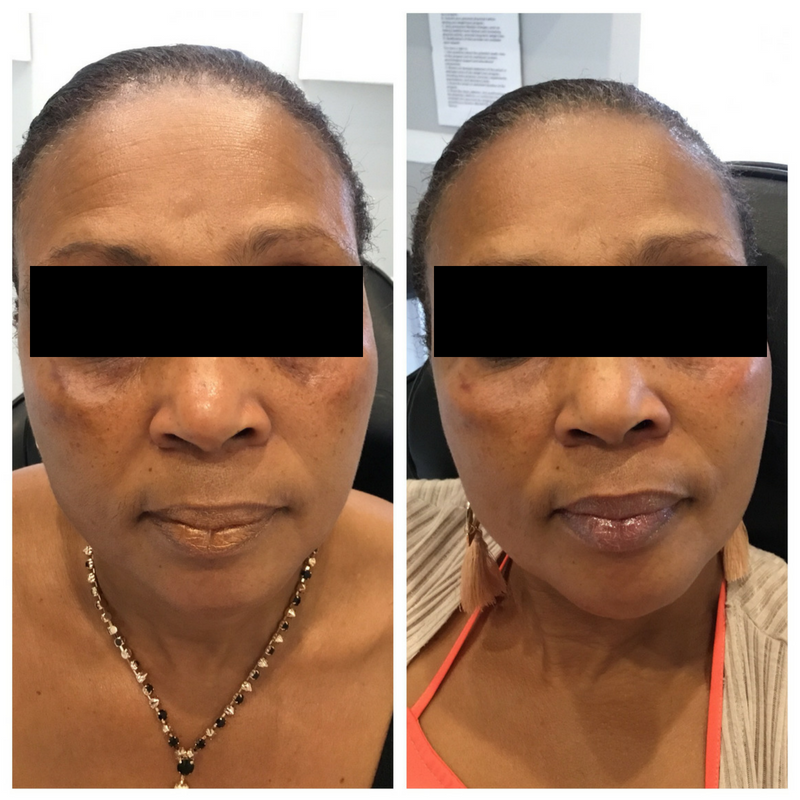
PRP for the Face
Frequently Asked Questions About PRP
1. What is PRP therapy?
PRP (Platelet-Rich Plasma) therapy is a treatment that uses a patient’s own blood to promote healing and tissue regeneration. The process involves drawing blood, isolating the platelet-rich plasma through centrifugation, and then injecting it into the targeted area to enhance recovery, collagen production, and cell growth.
2. What conditions can PRP treat?
PRP therapy is commonly used for skin rejuvenation, hair restoration, joint pain, tendon injuries, osteoarthritis, and wound healing. It is also used in aesthetics to improve skin texture, reduce fine lines, and enhance the results of microneedling.
3. How does PRP work?
PRP contains a high concentration of growth factors that stimulate tissue repair and regeneration. When injected into the targeted area, it helps accelerate healing, boost collagen production, and improve overall tissue function.
4. Is PRP therapy safe?
Yes, PRP is considered safe since it is derived from the patient’s own blood, reducing the risk of allergic reactions or rejection. However, as with any injection-based procedure, minor side effects like redness, swelling, or bruising at the injection site may occur.
5. How long does a PRP treatment take?
A typical PRP session takes about 45–60 minutes, including the blood draw, processing, and injections.
6. How many PRP treatments are needed?
The number of sessions varies based on the condition being treated. For hair restoration and skin rejuvenation, most patients require 3–4 sessions spaced 4–6 weeks apart. Maintenance treatments may be recommended every 6–12 months.
7. When will I see results from PRP therapy?
Results vary depending on the treatment area and individual response. For skin rejuvenation, improvements may be visible within a few weeks, while hair restoration and joint pain relief may take 3–6 months for noticeable results.
8. Does PRP therapy hurt?
Patients may experience mild discomfort during the injection process. A topical numbing cream or local anesthesia is often used to minimize pain.
9. Are there any side effects or downtime with PRP therapy?
Side effects are usually minimal and may include redness, swelling, mild bruising, or tenderness at the injection site. Most patients resume normal activities immediately, though strenuous exercise should be avoided for 24–48 hours.
10. Who is a good candidate for PRP therapy?
PRP is ideal for individuals seeking a natural, regenerative treatment for skin rejuvenation, hair loss, or musculoskeletal conditions. However, people with certain medical conditions, such as blood disorders or active infections, may not be suitable candidates.